


Description
In the context of this image, “Dispersion” refers to Brushstroke Texture (Dry Dispersion) and Surface Weathering.
-
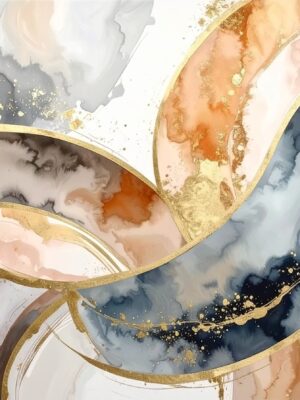
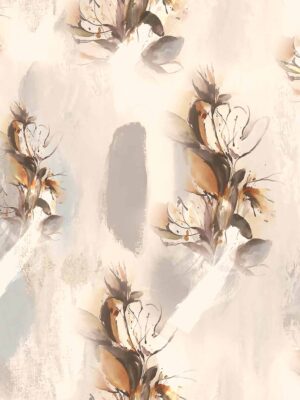
Visual Dispersion (The Brush): Look closely at the large orange and brown curves. The color is not solid. It shows “Dry Brush Dispersion.” You can see the streaks where a brush ran out of paint, or where the pigment was scumbled over a rough surface (like canvas or wood grain). This creates a “scratchy” look that adds depth and age.
-
Pigment Dispersion (Uneven Coverage): The color density varies within each block. It is “dispersed” unevenly—darker in some spots, lighter in others. This mimics the natural variation found in dyed fabrics or stained wood, preventing the design from looking like a sterile vector file.
-
Edge Dispersion (Cut vs. Painted):
-
Cut Edge: The boundaries between the shapes are relatively sharp (Low Dispersion), mimicking cut paper or wood inlay.
-
Painted Edge: The texture inside the shapes is highly dispersed. This contrast between the clean outline and the messy interior is the defining characteristic of this style.
-




Reviews
There are no reviews yet.