


Description
-
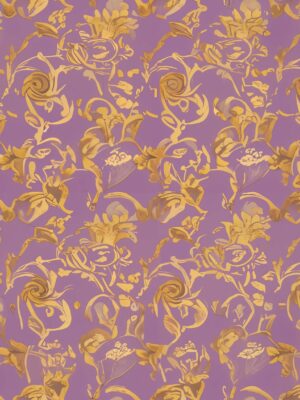
Visual Dispersion (Atmospheric): The primary botanical forms exhibit “Vaporous Atmospheric Bleeding.” Pigment and light are dispersed in soft, hazy washes that lack hard edges, acting as a visual mist that makes the composition feel light and integrated into the background.
-
Pigment Dispersion (Graduated): The magnolia petals and larger leaves show “Centripetal Tonal Graduation.” The pigment is most concentrated at the outer edges and tips, dispersing inward toward a pale, radiant core. This technique simulates 3D volume and a natural, delicate organic texture.
-
Edge Dispersion (Luminous): The boundaries of the main petals feature “Luminous Softening.” Instead of a sharp cut, the pigment disperses softly into the warm-toned background, ensuring the flora feels integrated into the overall atmospheric environment rather than isolated.







Reviews
There are no reviews yet.